 Start preliminary personalised study



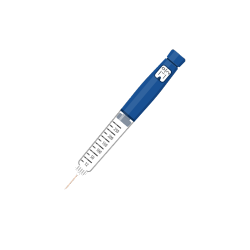





Treatment overview
GLP-1 agonist drugs are molecules based on the latest research into appetite control. They work by mimicking a regulatory mechanism that already exists in the body, at three levels: brain, endocrine and digestive. That is why they are considered safe drugs, although they require a carefully adjusted regimen, different for each patient, and medical supervision.
They were first used to treat type 2 diabetes, when it was observed that they also helped patients lose weight. After their safety and efficacy were studied in patients with obesity but without diabetes, they were approved for weight management.
It is not a treatment to be used on its own: it is a support tool that makes it easier to stick to the nutritional treatment and the change in lifestyle. On its own it does not produce lasting change.
How it works in the body
- It reduces the feeling of hunger and improves emotional control over food by acting on the appetite centre in the brain.
- It slows stomach emptying, which produces a longer-lasting feeling of fullness.
- It improves blood sugar control: it stimulates insulin when glucose is high (after meals) and lowers it during fasting periods.
- As a result, the patient naturally eats less and gains control over their emotions around food.
Types of medication
Single-action drug
- GLP-1 receptor agonist.
- Simple regimen, tailored to each patient under medical prescription.
- Effective support for metabolic control under strict medical supervision.
Dual-action drug
- GLP-1 action plus GIP action, which increases its potency.
- Recommended when the single-action drug does not work; avoided in certain conditions.
- Improved metabolic control and satiety to support the change in habits.
In both cases, weight loss only occurs when the patient is overweight, and results vary from person to person. The choice depends on the medical profile, associated conditions (glycaemic control, hypertension, dyslipidaemia, cardiovascular disease), treatment goals and treatment history.
Key features of the treatment
- Non-invasive: no surgical or endoscopic procedures, under medical supervision.
- Tailored regimen: the dose is increased gradually and adjusted to each case and to the patient's tolerance.
- Gradual weight loss: helps improve conditions and symptoms associated with excess weight.
- Controlled appetite: reduces appetite while the patient adopts healthier eating habits.
Who is it for?
It is indicated for patients who are following a dietary and/or behavioural treatment without achieving results and who need pharmacological support:
- Patients with a BMI over 30, even without apparent health problems.
- Patients with a BMI between 27 and 30 who have conditions that improve with weight loss.
It should not be used as a simple weight-loss therapy, without medical care and without a lifestyle-change programme.
Before starting treatment
A prior medical assessment is essential, because some conditions contraindicate or advise against its use:
- Multiple endocrine neoplasia type 2, or a personal or family history of medullary thyroid carcinoma.
- Diabetic ketoacidosis.
- Heart problems: the Spanish Medicines Agency does not recommend its use in severe heart failure.
- History of pancreatic problems.
- History of severe depression or suicidal thoughts.
In addition, there is little experience with these drugs in patients aged 75 and over. Contraception must be used during treatment and, in the event of pregnancy, treatment must be stopped immediately and a gynaecologist consulted.
Possible side effects
These are very safe drugs, but they are not free of adverse effects. Tolerance differs from patient to patient and it may sometimes be necessary to reduce the dose or stop the medication.
More common
- Nausea: especially at the start; it usually eases as the body adapts.
- Vomiting, constipation or diarrhoea and abdominal pain. In people with kidney problems, dehydration can make their condition worse.
- Hypoglycaemia: the risk increases when combined with other diabetes drugs. The medical team will explain how to prevent and treat it.
Less common or to be monitored
- More serious problems, such as pancreatitis or thyroiditis, have been described, and a possible long-term effect has not been ruled out; that is why medical supervision is essential.
- Mood: some patients report changes in mood. The European Medicines Agency is reviewing data on suicidal ideation, although no direct link has been established; any change should be reported to the doctor.
- Hair loss: this is caused by the weight loss, not the drug, and is prevented with an adequate intake of nutrients.
- Loss of facial fat: this can deepen expression lines and give an older appearance.
Increasing the dose gradually, guided by the doctor, improves tolerance and almost always prevents or reverses these symptoms.


